 HairstyleChangeTry it on your photo
Hairstyles for a round face
Compare the frame.
Keep your own taste.
A round outline has similar visual width and length with softer angles. Hair can create height, diagonals, framing or deliberate fullness — none is universally right.
Three useful tests
Change one visual lever at a time.
- 01
Height at the crown versus width at the sides
- 02
A center part versus an offset or side part
- 03
A blunt jaw-level line versus a longer perimeter
Four starting points
Different effects, same face.
These are intentionally varied. The goal is to discover a preference, not to crown one haircut as “best”.
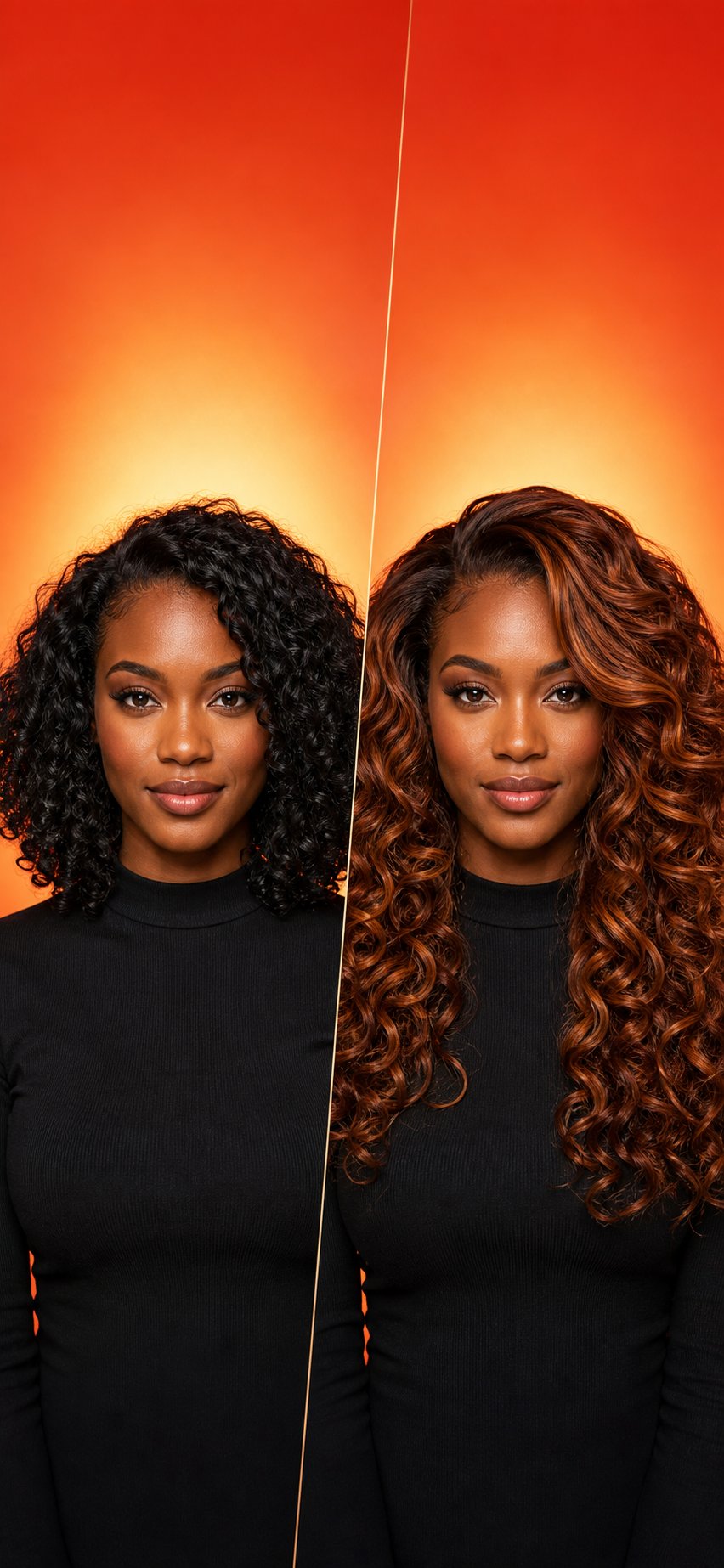
Long layers
Higher face-framing pieces create more movement around the front.
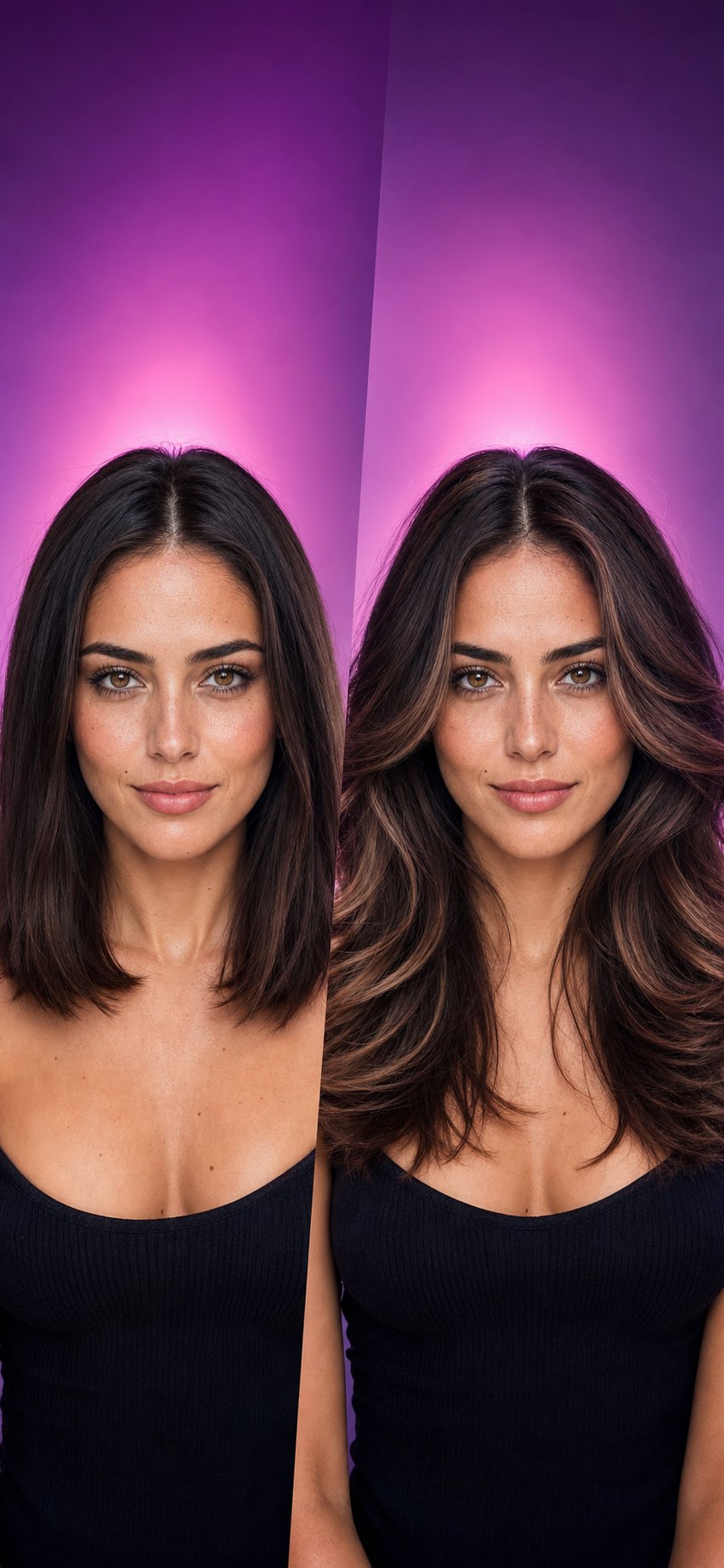
Pixie cut
More height on top can make the silhouette feel longer.
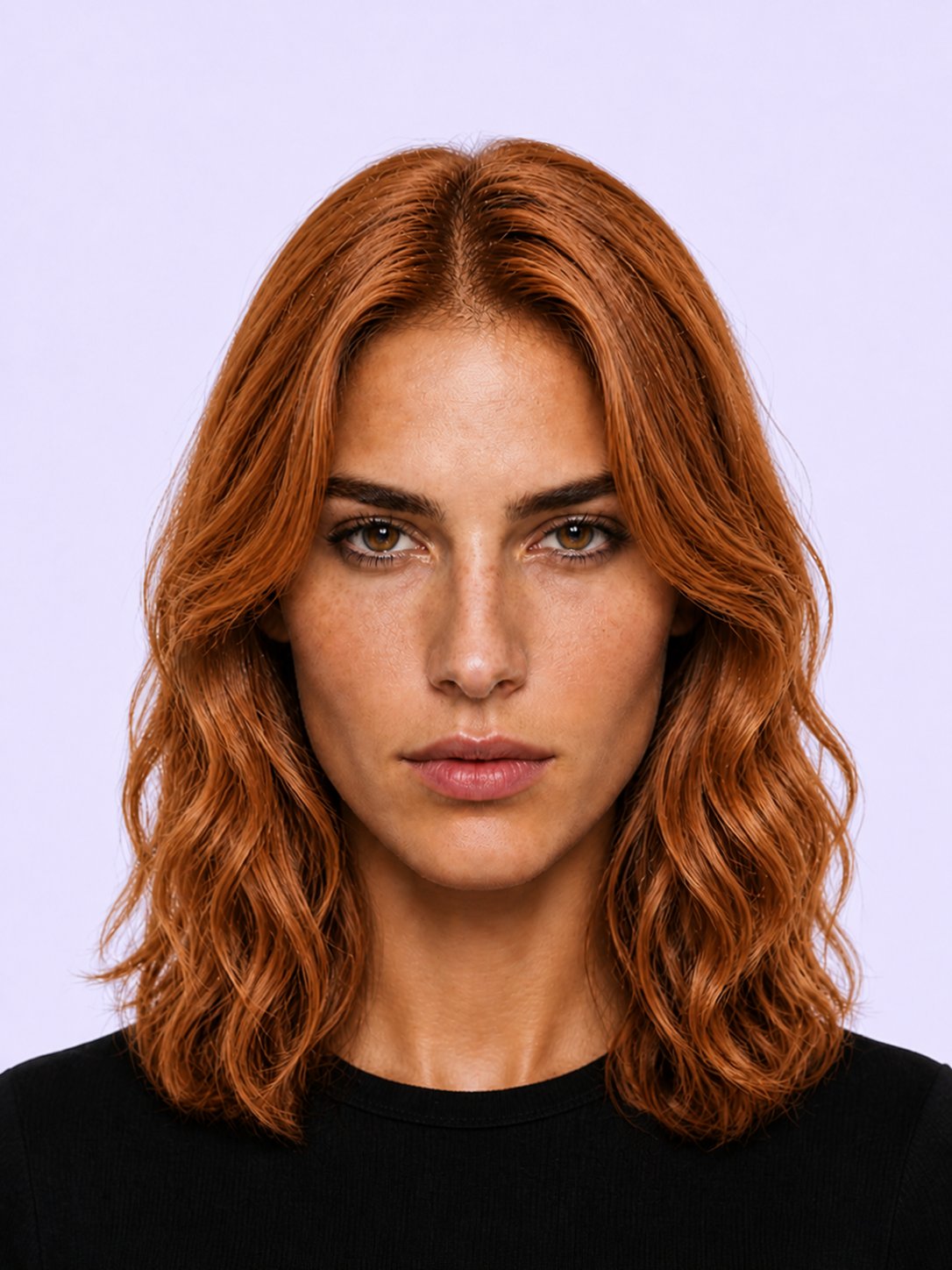
Curtain bangs
A cheekbone-length opening draws attention toward the center of the face.
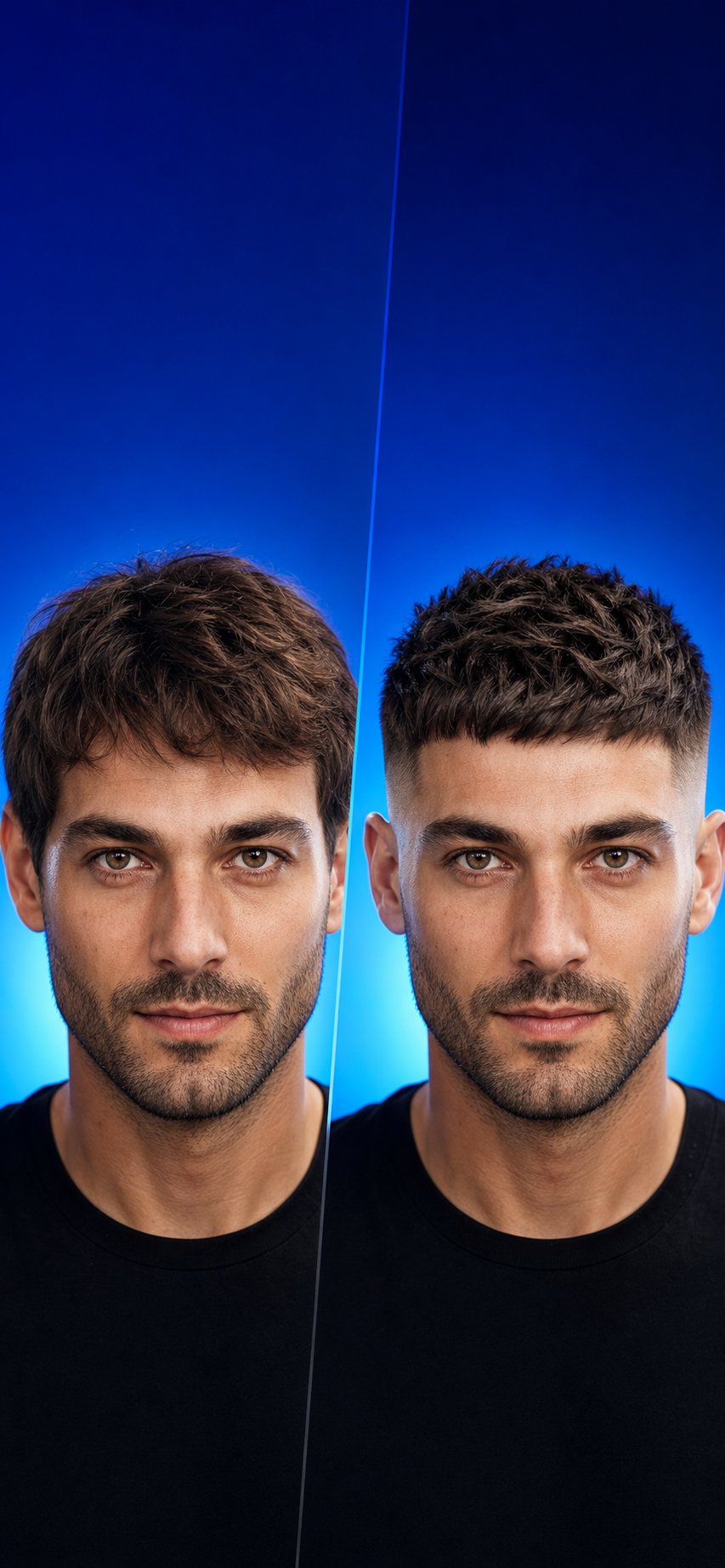
Taper fade
A low taper keeps a darker, fuller outline around the head.
A better rule
Face shape describes. It does not prescribe.
Camera angle, lens, expression and hair volume can change how a face shape appears. Most faces also combine characteristics rather than matching one perfect diagram.
Use the label to organize comparisons. Use your own reaction to choose. Then ask a stylist how the idea can be adapted to texture, density, growth pattern and daily routine.